
The jaw joint (TMJ) despite being such an important part of the anatomy of the jaw is also a very neglected one because of the complexity of joint surgery .
Book Appointment Call Now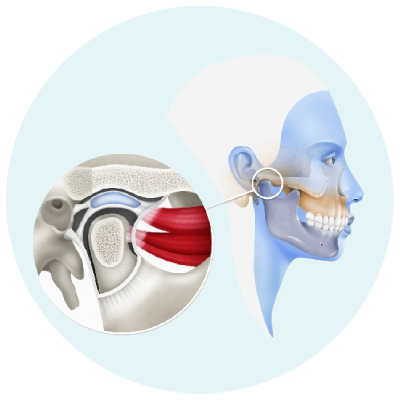
The jaw joint (TMJ) despite being such an important part of the anatomy of the jaw is also a very neglected one because of the complexity of joint surgery . Nevertheless our team has had resounding success in treating joint fractures with the most advanced techniques and approaches so as to ensure an complete return to function and esthetics immediately after the procedure.
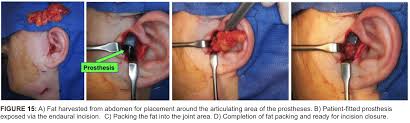
Another common joint problem our team often has to deal with is Frozen Joint or TMJ Ankylosis. Here also we ensure that patient has maximum joint function before going home. Other chronic joint issues like clicking, arthritis etc. are also treated to ensure complete and permanent recovery of the patient. Of late we have been doing a few joint replacements for the patients with advanced joint disease and the results have been encouraging.
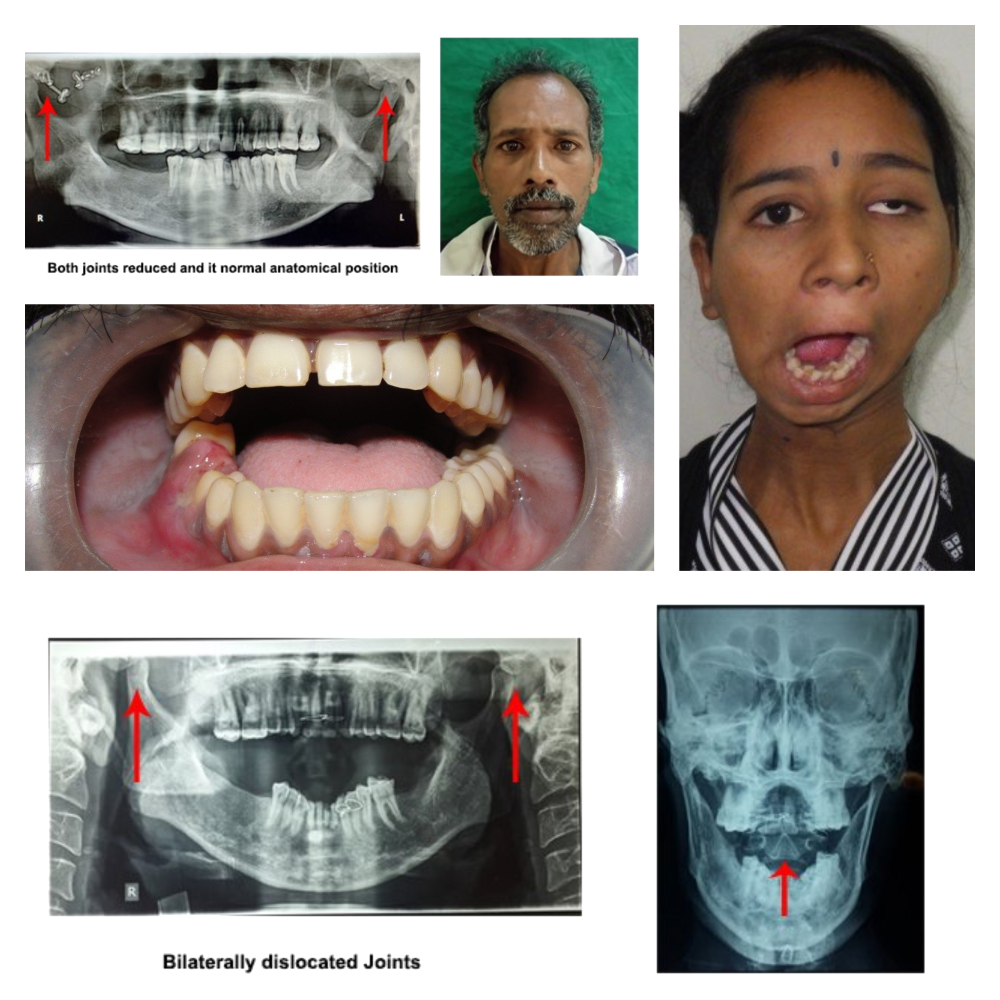
Shekar is a patient suffering from Parkinson’s disease. One day he opened his mouth to yawn and could not close it after that. The dislocation was reduced but would recur frequently. It reached a stage where his mouth was even tied up for many days. We operated on him and he is now problem free even after 3 years with full function of the jaw.
Severe or persistent pain not relieved by conservative treatments.
Difficulty opening or closing the mouth due to joint locking.
Severe arthritis, injury, or structural damage to the TMJ.

Call on : +916360568899

Mon to Sun 10:00 am – 1:00 pm , 4:00 pm – 8:00 pm
TMJ disorders may be caused by arthritis, injury, jaw misalignment, teeth grinding, or stress-related muscle tension.
No, surgery is considered only when non-surgical treatments like medications, splints, or physiotherapy do not provide relief.
Procedures include arthrocentesis (joint flushing), arthroscopy (minimally invasive), open joint surgery, or total joint replacement depending on severity.
Recovery depends on the type of surgery. Minimally invasive procedures may take 1–2 weeks, while open surgeries may require several weeks with physiotherapy support.